

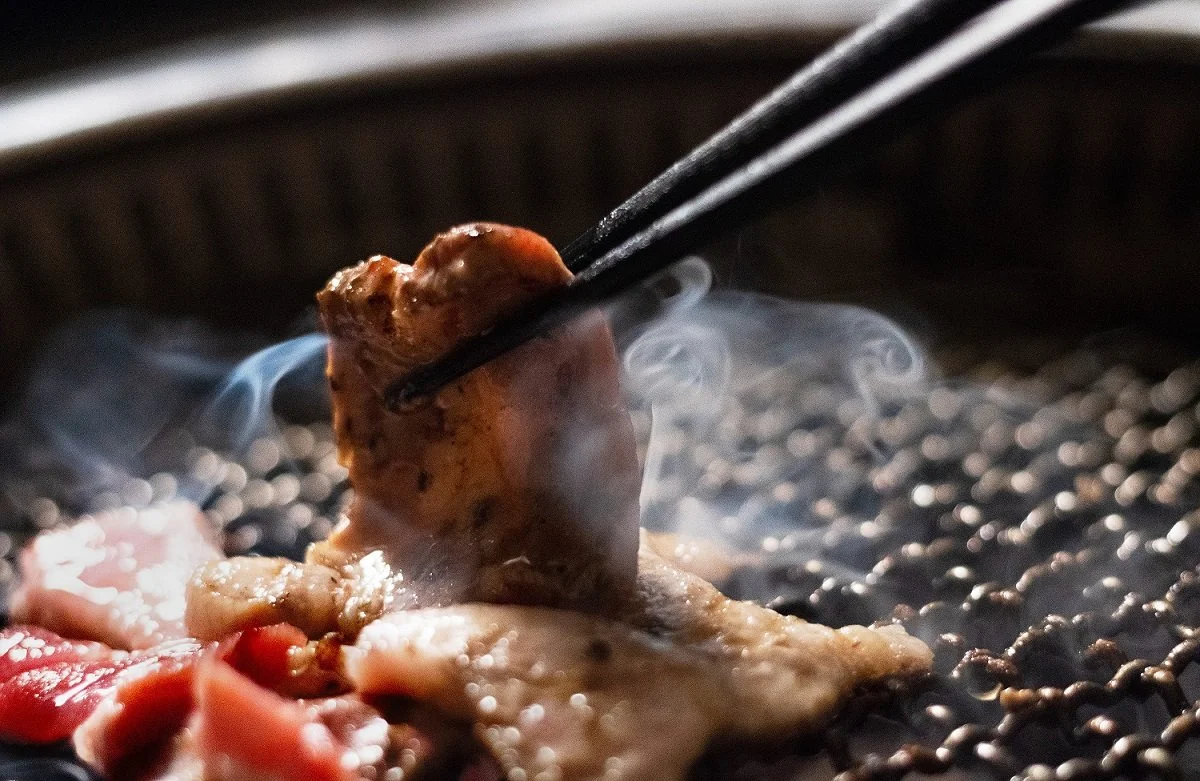
If you’re deciding between Japanese yakiniku and shabu-shabu for your next meal in Singapore, the biggest difference comes down to how you cook and enjoy your food.
Yakiniku is Japanese-style BBQ where diners grill bite-sized pieces of meat over a table-top grill. Shabu-shabu is a Japanese hotpot experience where thinly sliced meat, vegetables and other ingredients are swished through simmering broth before being enjoyed with dipping sauces.
Both are interactive. Both are social. Both can be excellent choices for groups, dates and casual meals. But the flavours, cooking styles and overall dining experiences are quite different.
If you’re craving smoky grilled meat, yakiniku is likely to be the better choice. If you prefer a comforting hotpot meal where you can customise your ingredients and broth, shabu-shabu may be right up your alley.
In Singapore, you can experience both styles through Creative Eateries’ Japanese dining concepts, including Tajimaya Yakiniku and Suki-Ya.
What is the difference between yakiniku and shabu-shabu?
The simplest way to understand the difference is this:
Yakiniku is Japanese BBQ. Shabu-shabu is Japanese hotpot.
At a yakiniku restaurant, diners cook bite-sized cuts of meat, seafood and other ingredients on a grill at the table. The cooking process creates caramelised edges, smoky aromas and a richer grilled flavour.
At a shabu-shabu restaurant, diners cook thinly sliced meat, vegetables, mushrooms, noodles and other ingredients in a pot of simmering broth. The ingredients are generally cooked quickly before being dipped into a sauce and eaten.
The two experiences can therefore feel quite different even though both involve cooking your own food at the table.
YakinikuShabu-shabuJapanese BBQJapanese hotpotFood is grilledFood is cooked in brothSmoky, grilled flavoursBrothy, delicate flavoursExcellent for meat loversGreat for meat and vegetable loversTable-top grillIndividual or shared hotpotCharred, caramelised texturesTender, lightly cooked texturesOften paired with dipping saucesUsually paired with ponzu or sesame-style sauces
Neither is necessarily better. It depends on what you want from your meal.
What is yakiniku?
Yakiniku literally refers to grilled meat and is commonly associated with Japanese BBQ dining.
Rather than receiving one large steak to cook or eat whole, yakiniku typically involves smaller cuts that diners grill themselves. This gives you much more control over how each piece is cooked.
Want your beef lightly seared? Cook it briefly.
Prefer a little more caramelisation around the edges? Leave it on the grill for longer.
That hands-on element is a big part of the appeal.
What do you eat at yakiniku?
A yakiniku meal can include a variety of meats and other ingredients, depending on the restaurant and menu.
Common options include:
Beef short ribs
Wagyu beef
Beef tongue
Beef flap meat
Pork belly
Pork collar
Chicken
Seafood
Mushrooms
Vegetables
Rice
Kimchi and other Japanese BBQ accompaniments
At Tajimaya Yakiniku, diners can cook their own meats at the table as part of an interactive Japanese charcoal grill experience. Creative Eateries describes Tajimaya as offering a hands-on cooking and dining experience, with premium meat options and Japanese drinks available alongside the BBQ.
Tajimaya's current menu information also highlights options such as Australian Wagyu short ribs, Australian Wagyu flap meat, Iberico pork and chicken, depending on the menu or set selected.
That makes yakiniku particularly appealing if you enjoy choosing different cuts and cooking each one to your liking.
What is shabu-shabu?
Shabu-shabu is a Japanese hotpot style centred around thinly sliced meat, vegetables and a simmering broth.
The name comes from the swishing motion used to cook the thin slices of meat in the hot broth.
You generally take a slice of meat, place it into the simmering broth and gently move it back and forth until it is cooked. Vegetables, mushrooms, tofu, noodles and other ingredients can then be added to the pot.
The result is a meal that feels lighter and more broth-focused than yakiniku.
It is also highly customisable.
You can choose different ingredients, cook them for different lengths of time and combine them with different sauces.
What do you eat at shabu-shabu?
A typical shabu-shabu spread can include:
Thinly sliced beef
Pork
Chicken
Leafy vegetables
Mushrooms
Tofu
Noodles
Fish paste
Other hotpot ingredients
Dipping sauces
At Suki-Ya, the "House of Hot Pot" concept centres on an interactive dining experience with unlimited chilled beef and pork in thin slices, farmed chicken and a vegetable bar.
For diners who like variety, that format can be particularly appealing because you're not locked into one type of meat or one combination of ingredients.
Suki-Ya also offers a range of broth choices and a buffet-style format, giving diners more flexibility to build their own hotpot experience.
Yakiniku vs shabu-shabu: which is healthier?
There isn't one simple answer.
It depends on what you order, how much you eat and how you prepare it.
Shabu-shabu can make it easy to include plenty of vegetables, mushrooms and lighter ingredients because everything is cooked in broth. Yakiniku can also be balanced with vegetables, seafood and leaner cuts of meat.
However, sauces, marinades, fatty cuts and portion sizes can change the overall nutritional profile of either meal.
So rather than thinking of one as automatically "healthy", consider the ingredients and portions you choose.
Which is better for a group meal?
Both work brilliantly for groups, but they create different kinds of social experiences.
Choose yakiniku if...
You want a lively meal centred around grilled meat.
Yakiniku works particularly well when everyone enjoys trying different cuts and taking turns around the grill.
There's also something inherently social about cooking together. One person might be watching the short ribs while another grills pork belly, and suddenly the table becomes its own little BBQ station.
Choose shabu-shabu if...
Your group wants more variety and flexibility.
Shabu-shabu allows diners to select different meats, vegetables, mushrooms and other ingredients and cook them in the same hotpot.
It can also be easier for groups with different preferences because everyone can choose what goes into the pot.
Is yakiniku better for a date?
If you enjoy interactive dining, absolutely.
A yakiniku meal gives you something to do together beyond simply ordering food and waiting for it to arrive.
At Tajimaya Yakiniku, the table-top grilling experience puts the cooking directly into the dining experience. That makes it a natural option for diners looking for Japanese BBQ in Singapore with a more hands-on atmosphere.
Shabu-shabu can create a similarly interactive experience, but with a more relaxed hotpot feel.
For a date, the choice really comes down to atmosphere.
Yakiniku: smoky, lively and grill-focused.
Shabu-shabu: warm, comforting and hotpot-focused.
Is shabu-shabu better for families?
It can be a particularly flexible option for families because there are plenty of ingredients to choose from.
You can add vegetables, mushrooms, meat, noodles and other ingredients to the pot, allowing everyone to build a combination they enjoy.
Suki-Ya's all-you-can-eat format can also suit families and groups who want variety and the freedom to keep trying different ingredients throughout the meal. Creative Eateries positions Suki-Ya as a friendly dining experience for families and friends.
Yakiniku vs shabu-shabu: which one should you choose?
Still not sure?
Here's the shortcut.
Choose yakiniku if you:
Love grilled meat
Want smoky, charred flavours
Enjoy premium beef
Like cooking your own food
Want a lively Japanese BBQ experience
Enjoy trying different meat cuts
Choose shabu-shabu if you:
Love hotpot
Prefer broth-based cooking
Want plenty of vegetables
Enjoy variety
Prefer lighter-tasting ingredients
Want to customise your meal
And if you're still torn, Singapore makes it rather convenient to experience both.
Try Japanese yakiniku at Tajimaya
For a hands-on Japanese BBQ experience, Tajimaya Yakiniku is the Creative Eateries restaurant to consider.
Its table-top grill format lets diners cook their own meats while enjoying the social side of yakiniku. Current Creative Eateries information highlights premium meat selections and an interactive charcoal-grill experience.
Try Japanese shabu-shabu at Suki-Ya
For a Japanese hotpot experience, Suki-Ya offers an all-you-can-eat format with thinly sliced meats, vegetables and a range of hotpot ingredients.
It is particularly suited to diners who like variety and want to customise their meal as they go.
Can you enjoy both yakiniku and shabu-shabu in Singapore?
Definitely.
That's one of the best things about Japanese dining in Singapore. You don't have to decide that one cooking style is better forever.
If you're in the mood for smoky grilled Wagyu, go for yakiniku.
If you're craving a comforting bowl of broth filled with tender meat, vegetables and noodles, go for shabu-shabu.
And if your dining group can't agree, that's simply an excellent excuse to make two separate dinner plans.
Frequently Asked Questions About Yakiniku and Shabu-Shabu
Is yakiniku the same as Japanese BBQ?
Yakiniku is a style of Japanese BBQ where diners typically grill bite-sized pieces of meat and other ingredients on a table-top grill. The interactive cooking experience is an important part of yakiniku dining.
Is shabu-shabu the same as hotpot?
Shabu-shabu is a Japanese style of hotpot. Diners cook thinly sliced meat, vegetables and other ingredients in simmering broth before eating them with dipping sauces.
Which is better, yakiniku or shabu-shabu?
It depends on your preference. Yakiniku is better suited to diners who enjoy smoky grilled meats and table-top BBQ, while shabu-shabu is ideal for those who prefer broth-based cooking, vegetables and greater ingredient variety.
Is yakiniku good for groups?
Yes. Yakiniku is naturally social because diners share the grill, choose different cuts and cook their food together. It can be a fun option for friends, families and group dinners.
Is shabu-shabu good for families?
Yes. Shabu-shabu offers plenty of ingredient choices, making it easier for diners with different preferences to find something they enjoy. Buffet-style restaurants such as Suki-Ya also offer plenty of variety.
Where can I eat yakiniku in Singapore?
Tajimaya Yakiniku is a Japanese BBQ restaurant offering a hands-on table-top grilling experience with a selection of premium meats.
Where can I eat shabu-shabu in Singapore?
Suki-Ya offers Japanese shabu-shabu in an all-you-can-eat hotpot format, with thinly sliced meats, vegetables and other hotpot ingredients.
The verdict: yakiniku or shabu-shabu?
There is no wrong answer.
Yakiniku is about the grill. Shabu-shabu is about the pot.
One gives you smoky, caramelised meat cooked right at your table. The other gives you simmering broth, tender ingredients and the freedom to build your meal as you go.
For Japanese BBQ in Singapore, explore the interactive experience at Tajimaya Yakiniku.
For Japanese hotpot, head to Suki-Ya.
And if you're a serious Japanese food fan, there's only one logical solution: try both and decide which one deserves your next dinner.
