

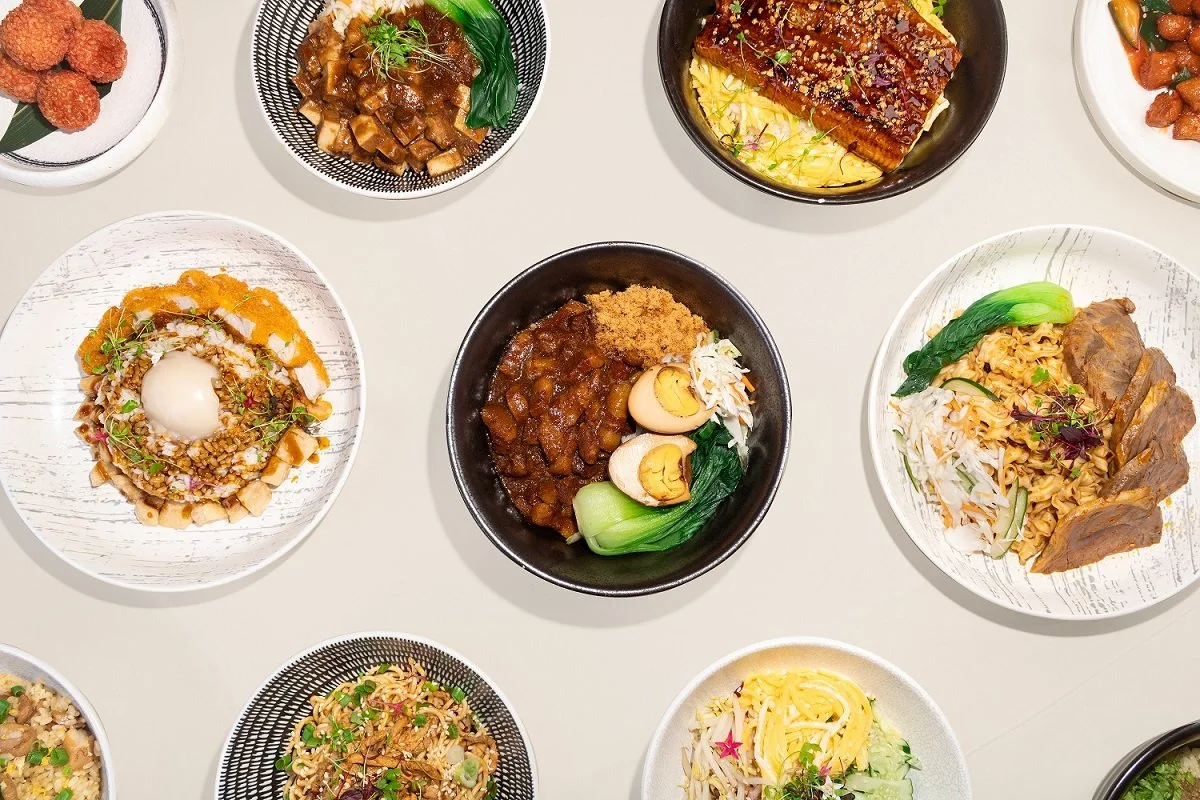
Taiwanese cuisine can be difficult to define with a single dish.
Ask someone what Taiwanese food is and they might immediately mention beef noodle soup, lu rou fan, oyster omelette, fried chicken, dumplings or bubble tea.
And they'd all be right.
Taiwanese food is a fascinating blend of influences, combining indigenous traditions with Chinese regional cooking, Japanese influence, local ingredients and the fast-paced food culture of Taiwan's night markets.
So, what makes Taiwanese cuisine different from other Asian cuisines?
The answer is its combination of comfort, variety, texture and layered cultural influences.
Taiwanese cooking doesn't always try to overwhelm you with spice. Instead, it often builds flavour through slow braising, aromatic broths, savoury sauces, pickled ingredients, fried textures and comforting rice and noodle dishes.
For Singapore diners, that makes Taiwanese food particularly approachable.
There are familiar Asian flavours, but they appear in combinations that can feel completely different.
If you're looking to explore the cuisine in Singapore, Typhoon Cafe is one Creative Eateries restaurant that focuses specifically on Taiwanese comfort food, with dishes ranging from Taiwan Lu Rou Rice and Taiwanese beef noodle soup to dumplings, oyster omelette and chicken dishes.
What is Taiwanese cuisine?
Taiwanese cuisine refers to the food traditions and cooking styles that developed in Taiwan.
It has been influenced by many cultures and regions over time.
These include:
Indigenous Taiwanese food traditions
Fujian and other Chinese regional cuisines
Japanese culinary influence
Hakka cooking
Local agricultural produce
Seafood from the island's coastal regions
Night-market food culture
Modern Taiwanese food trends
This combination has produced a cuisine that can be difficult to fit into a single category.
It's not simply Chinese food.
It's not Japanese food.
It's not Southeast Asian food.
It has developed its own identity.
What does Taiwanese food taste like?
Taiwanese cuisine is often savoury, aromatic and comforting.
Common flavour characteristics include:
Soy sauce
Sesame oil
Five-spice
Garlic
Ginger
Rice wine
Pickled vegetables
Chilli
Fried shallots
Star anise
White pepper
Sweet and savoury sauces
But Taiwanese food isn't defined by one particular flavour.
Instead, you'll often find a combination of savoury, sweet, aromatic, salty and umami notes.
Some dishes are spicy.
Others are deliberately mild.
Some are rich and braised.
Others are fresh and light.
That variety is one reason Taiwanese cuisine works so well for group dining.
Why is Taiwanese food so comforting?
Comfort is one of the strongest characteristics of Taiwanese cuisine.
Many iconic dishes are simple at their core.
Rice.
Noodles.
Broth.
Braised meat.
Dumplings.
Vegetables.
But they're layered with flavour through careful preparation.
Take lu rou fan, or Taiwanese braised pork rice.
The concept sounds simple: rice topped with braised pork.
But the meat is cooked with aromatic ingredients and seasoning until the sauce becomes rich and deeply savoury.
It's not trying to be complicated.
It's trying to be satisfying.
That focus on comfort is one of the defining features of Taiwanese food.
What is Taiwanese street food?
Taiwan is famous for its night markets and street-food culture.
Food stalls can be found throughout major cities, with vendors serving everything from fried chicken and oyster omelettes to dumplings and noodles.
Some famous Taiwanese street foods include:
Taiwanese fried chicken
Oyster omelette
Gua bao
Scallion pancakes
Pepper buns
Stinky tofu
Braised pork rice
Beef noodle soup
Dumplings
Sweet potato balls
Night-market culture is important because it shows how Taiwanese food can be both casual and highly specialised.
A dish doesn't need to be complicated to become iconic.
It simply needs to be delicious enough that people keep coming back.
What is lu rou fan?
Lu rou fan is Taiwanese braised pork rice.
It is one of the best-known examples of Taiwanese comfort food.
The dish typically consists of rice topped with finely chopped or minced braised pork cooked with a savoury sauce and aromatics.
Depending on the recipe, you may also find ingredients such as:
Soy sauce
Shallots
Five-spice
Sugar
Rice wine
Hard-boiled egg
Pickled vegetables
The richness of the pork and sauce is balanced by the rice and accompaniments.
At Typhoon Cafe, Taiwan Lu Rou Rice is one of the signature Taiwanese dishes highlighted in Creative Eateries' current content.
For someone trying Taiwanese food for the first time, it is a good example of how much flavour can come from a relatively simple bowl of rice.
What is Taiwanese beef noodle soup?
Taiwanese beef noodle soup is another iconic dish.
It generally combines noodles with braised beef and a richly flavoured broth.
The broth can include aromatics and spices such as star anise, ginger, garlic and soy sauce.
The exact recipe varies considerably.
Some versions are darker and more intensely savoury.
Others are lighter and more aromatic.
Typhoon Cafe currently offers Taiwanese Beef Noodle Soup with a choice of spicy mala or non-spicy soup, giving diners some control over the flavour profile.
That makes it a particularly useful dish for Singapore diners who want to explore Taiwanese cuisine while choosing between different levels of heat.
How is Taiwanese cuisine different from Chinese cuisine?
Taiwanese cuisine has significant Chinese influence, but it has developed its own identity.
Taiwan's geography, history, indigenous food traditions, Japanese influence and local ingredients have all shaped its cooking.
One of the easiest ways to understand the distinction is to look at dishes that have become strongly associated with Taiwan.
Lu rou fan.
Taiwanese beef noodle soup.
Oyster omelette.
Taiwanese fried chicken.
These dishes aren't simply copies of a single mainland Chinese regional cuisine.
They reflect Taiwan's own food culture.
How is Taiwanese cuisine different from Japanese cuisine?
Taiwan and Japan have a historical connection, so Japanese influence can be found in aspects of Taiwanese food culture.
But Taiwanese cuisine generally has a different flavour emphasis.
Japanese cuisine is often associated with ingredients such as dashi, soy sauce, miso, seafood and delicate seasoning.
Taiwanese cuisine frequently embraces stronger braised flavours, fried textures, aromatic spices, pickled ingredients and street-food-style combinations.
There are overlaps, but the overall eating experience can be quite different.
How is Taiwanese cuisine different from Korean cuisine?
Korean cuisine is often strongly associated with fermentation, chilli, grilled meats, kimchi and bold savoury flavours.
Taiwanese cuisine has plenty of bold dishes too, but its flavour spectrum is broader.
A Taiwanese meal could involve a mild braised pork rice, a rich beef noodle soup, a crispy fried chicken dish and a refreshing vegetable side.
The cuisine isn't defined by chilli.
That makes Taiwanese food particularly approachable for diners who enjoy Asian flavours but don't necessarily want every dish to be spicy.
What makes Taiwanese food different from Southeast Asian food?
There are plenty of similarities between Taiwanese and Southeast Asian cuisines, especially in their love of aromatic ingredients, noodles, rice dishes and street food.
But Taiwanese cuisine has its own combination of Chinese regional influence, Japanese influence, island ingredients and night-market culture.
Compared with Thai cuisine, for example, Taiwanese food generally isn't built around the same sweet-sour-spicy balance.
Compared with Malaysian or Singaporean food, Taiwanese cooking may rely more heavily on braising, five-spice and soy-based sauces.
Of course, cuisines overlap and evolve.
That's part of what makes Asian food so interesting.
Why is Taiwanese food popular in Singapore?
Singapore diners are already familiar with many of the building blocks of Taiwanese cuisine.
We love noodles.
We love rice dishes.
We love dumplings.
We love fried chicken.
We love soups.
We love sharing food.
That makes Taiwanese cuisine relatively easy to discover.
At the same time, dishes such as lu rou fan and Taiwanese beef noodle soup offer something distinctive enough to make the experience feel like a genuine culinary adventure.
What should you order at a Taiwanese restaurant for the first time?
If you're new to Taiwanese food, don't order only one dish.
A better approach is to choose dishes that show different parts of the cuisine.
For example:
Start with Taiwanese braised pork rice
This gives you a taste of Taiwan's rich, savoury comfort-food tradition.
Try Taiwanese beef noodle soup
You'll experience the importance of broth, aromatics and slow-cooked meat.
Add dumplings
Dumplings are an easy way to explore Taiwan's noodle and flour-based dishes.
Try oyster omelette
This gives you something completely different in texture and flavour.
Order Taiwanese fried chicken
This introduces you to the country's hugely popular fried street-food culture.
Typhoon Cafe's current menu and Creative Eateries content include many of these Taiwanese favourites, including Taiwan Lu Rou Rice, dumplings, Taiwanese beef noodle soup, oyster omelette and chicken dishes.
What is Taiwanese comfort food?
Taiwanese comfort food is food that is familiar, satisfying and often deeply connected to everyday life.
It isn't necessarily luxurious.
In fact, many iconic dishes started as everyday meals or street food.
Think:
Rice + braised pork.
Noodles + beef + broth.
Chicken + crispy coating.
Oysters + egg.
The combinations are straightforward.
The flavour comes from technique.
That's why Taiwanese food can feel both humble and incredibly satisfying.
Why are Taiwanese noodles so popular?
Noodles are central to many Taiwanese meals because they're versatile, affordable and comforting.
Taiwanese noodle dishes can range from brothy soups to dry noodles topped with sauces and meat.
Beef noodle soup is probably the most famous example internationally, but dumpling noodles, sesame noodles and other preparations are also popular.
At Typhoon Cafe, noodle options include Dumpling La Mian and Panko Canadian Pork Chop La Mian, alongside Taiwanese beef noodle soup.
This makes it easy to explore different styles rather than treating Taiwanese noodles as one single category.
What is Taiwanese oyster omelette?
Oyster omelette is a famous Taiwanese street-food dish combining oysters, egg and a starch-based mixture.
The texture is one of its defining characteristics.
It can be soft and chewy in the middle with crispier edges, depending on the cooking technique.
The oysters contribute savoury seafood flavour while the egg adds richness.
It's a great example of Taiwanese food's ability to combine inexpensive, everyday ingredients into something distinctive.
Typhoon Cafe currently lists Oyster Omelette among its Taiwanese dishes.
What is Taiwanese fried chicken?
Taiwanese fried chicken is a major part of the country's street-food culture.
The chicken is often marinated with aromatics and spices before being coated and fried.
Depending on the preparation, it may be served with fragrant seasoning, basil or other accompaniments.
The result is crunchy, savoury and aromatic.
Typhoon Cafe features Taiwanese-style fried chicken dishes among its current offerings, including crispy chicken preparations.
Is Taiwanese food spicy?
Some Taiwanese dishes are spicy, but Taiwanese cuisine is not inherently a spicy cuisine.
This is important if you're choosing a restaurant for a group.
Some diners may want chilli and mala flavours, while others may prefer braised rice, dumplings or a mild noodle soup.
Typhoon Cafe's Taiwanese Beef Noodle Soup, for example, offers both spicy mala and non-spicy soup options.
That range makes Taiwanese cuisine particularly adaptable to different preferences.
Where can you try Taiwanese food in Singapore?
If you're searching for a Taiwanese restaurant in Singapore, Typhoon Cafe is a Creative Eateries concept focused on Taiwanese comfort food.
Creative Eateries describes Typhoon Cafe as offering classic Taiwanese dishes, street food and comfort food in a group-friendly setting.
Its menu includes Taiwanese favourites such as:
Taiwan Lu Rou Rice
Taiwanese Beef Noodle Soup
Oyster Omelette
Dumpling La Mian
Golden Chicken Fritters Mee Sua
Panko Canadian Pork Chop La Mian
Sweet Potato Porridge
Chilli Oil Dumplings
Claypot Sanbei Chicken
Steamed Barramundi
That variety is useful if you're dining with people who are new to Taiwanese cuisine because you can order several different dishes and share.
Why Typhoon Cafe is a good introduction to Taiwanese cuisine
One of the biggest challenges with trying an unfamiliar cuisine is knowing what to order.
Typhoon Cafe solves part of that problem by bringing many Taiwanese classics together on one menu.
Instead of visiting a restaurant that specialises in only one dish, you can explore different sides of Taiwanese food in a single meal.
You might start with dumplings.
Move on to beef noodle soup.
Share oyster omelette.
Add Taiwanese braised pork rice.
Then finish with something sweet.
That makes the restaurant particularly suitable for groups who want to explore rather than commit to one style of meal.
Frequently Asked Questions About Taiwanese Cuisine
What is Taiwanese cuisine known for?
Taiwanese cuisine is known for dishes such as beef noodle soup, lu rou fan, oyster omelette, Taiwanese fried chicken, dumplings and a wide range of night-market foods.
What makes Taiwanese food unique?
Taiwanese cuisine combines Chinese regional influences, Japanese influence, indigenous traditions, local ingredients and a strong street-food culture. The result is a cuisine with its own distinctive identity.
Is Taiwanese food spicy?
Not necessarily. Some Taiwanese dishes are spicy, but many are mild and savoury. Taiwanese cuisine includes a wide range of flavours, from braised pork rice to noodle soups and fried dishes.
What is Taiwan's most famous food?
Taiwanese beef noodle soup is one of the country's most internationally recognised dishes. Lu rou fan, oyster omelette and Taiwanese fried chicken are also strongly associated with Taiwanese food culture.
What is lu rou fan?
Lu rou fan is Taiwanese braised pork rice. It consists of rice topped with savoury braised pork and is one of Taiwan's most popular comfort foods.
What is Taiwanese beef noodle soup?
Taiwanese beef noodle soup combines noodles, beef and a deeply flavoured broth that may contain aromatics and spices. Recipes vary between regions and restaurants.
Is Taiwanese food the same as Chinese food?
No. Taiwanese cuisine has Chinese influences but has developed its own identity through Taiwan's indigenous traditions, Japanese influence, local ingredients and unique food culture.
Where can I eat Taiwanese food in Singapore?
Typhoon Cafe is a Creative Eateries restaurant specialising in Taiwanese comfort food, with dishes including lu rou fan, Taiwanese beef noodle soup, dumplings, oyster omelette and Taiwanese fried chicken.
The bottom line
So, what makes Taiwanese cuisine different from other Asian cuisines?
It's the combination.
Taiwanese food brings together Chinese regional influences, Japanese culinary history, local ingredients, indigenous traditions and one of Asia's most vibrant street-food cultures.
But perhaps the easiest way to understand it is through the food itself.
Try a bowl of rich beef noodle soup.
Taste the savoury comfort of lu rou fan.
Share an oyster omelette.
Crunch into Taiwanese fried chicken.
Try a few dumplings.
Suddenly, the cuisine starts to make sense.
And if you're in Singapore and want to explore it without having to plan an entire food tour of Taiwan, Typhoon Cafe (under Creative Eateries) offers a broad selection of Taiwanese comfort food under one roof.
Sometimes the best introduction to a cuisine isn't a textbook.
It's a table full of dishes waiting to be shared. Visit Typhoon Cafe today!
